The new Atlas Apex M MicroXRF housed at CEST in Fitzpatrick…
Every year, nearly 5 million people die from causes related to antimicrobial resistance (AMR), the phenomena by which microorganisms like bacteria evolve to resist the drugs designed to kill them. AMR poses a growing threat to global human health, as it diminishes the ability of common antibiotics…
The University of Notre Dame's Global Adaptation Initiative (ND-GAIN) has adopted…
In recent years, billions of dollars have been pledged worldwide for climate adaptation: taking action to prepare for and adjust to the current and projected impacts of climate change. But key questions remain on where and how that funding should be spent. As a pioneer in tools that support the...
Kyle Doudrick, associate professor of Environmental Engineering at the University of Notre Dame, has been selected to serve on the Science Advisory Board of the United States Environmental Protection Agency (EPA).
Throughout their lifetimes, healthy forests produce more oxygen than they use, while taking in greenhouse gases via plants and soils. This ecosystem-wide service, called carbon sequestration, regulates global climate and is an essential component of climate models and goals. Forest health, however,…
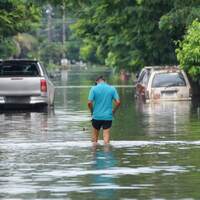
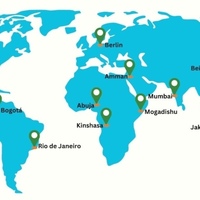
As the reality of a changing global climate manifests in severe flooding and intensifying droughts, the risk and preparedness for these extreme weather events is distributed unevenly worldwide.